 STORE FINDER




Updated September 2026
Buying an e-bike can feel harder than it should. There are dozens of brands, two main motor types, batteries of every size and plenty of conflicting advice. Across our nine stores we see the same mistakes come up again and again, and most of them are easy to avoid once you know what to look for.
Here are the ten we see most often, and what to do instead.
The short version
- Test ride on your real route, not a car park.
- Buy from a store with a workshop that can service what it sells.
- Get advice from someone who asks how you ride before suggesting a bike.
- Choose a known brand with a motor and battery you can research.
- Pick the motor type for your riding, not the one a salesperson prefers.
- Plan range around watt-hours and hills, not the brochure number.
- Get the frame size and style right, including step-thru if it suits you.
- Check weight, storage and how you will transport it.
- Make sure the motor is 300W or less so it is legal as a bike in NZ.
- Budget for a lock, helmet, lights and servicing.
1. Not taking a proper test ride
You wouldn't buy a car without driving it, and an e-bike is no different. Frame sizes, riding positions and power delivery vary a lot between bikes, and the only way to know what suits you is to ride a few.
Test the bike the way you plan to use it. A lap of the car park tells you very little. If you want it for your commute, ride part of your commute. If there's a hill you're worried about, ride up it. Try a hub-drive and a mid-drive back to back so you can feel the difference.
Every Electrify store offers free test rides. Book a test ride at your nearest store.
2. Buying from a seller with no local service
After-sales support matters more for an e-bike than a regular bike. Motors, batteries, displays and sensors need specialist tools and knowledge, and parts need to be available in New Zealand. A cheap bike from an online-only seller can become an expensive problem the first time something stops working.
Before you buy, check:
- Does the retailer have a physical store and a workshop staffed by e-bike technicians?
- Are warranty claims handled in New Zealand, and how long do they take?
- Can you get replacement batteries and parts for this model locally?
Our stores all service the bikes we sell. See our servicing and repairs and returns and warranties pages for details.
3. Not getting specialist advice
Some salespeople are paid to move stock, not to find the right bike for you. A good e-bike specialist will ask how and where you ride before suggesting anything. They should be able to explain the difference between motor systems, give you a realistic range estimate and tell you how to look after the battery.
If you're new to e-bikes, our e-bike FAQs answer the questions we hear most often in store.
A good specialist will also encourage you to test ride before you buy, and won't push you towards a bike you haven't tried. If you feel rushed, that's a warning sign.
4. Choosing a brand you can't research
There are a lot of e-bike brands on the market, and not all of them will be around in five years. Search the brand name before you buy. Brands sold widely in Europe and the US, and stocked by bricks-and-mortar retailers here, give you more assurance of quality and parts supply.
Look at what's inside the bike too. Motors from established makers and battery cells from manufacturers like Panasonic, Samsung and LG are a good sign. Be cautious with locally badged brands that don't say where the bike or its components come from. Poor-quality batteries are the most common failure on cheap e-bikes and can be a safety risk.
Browse the e-bike brands we stock.
5. Picking the wrong motor type for your riding
Most e-bikes use either a hub motor (in the front or rear wheel) or a mid-drive motor (at the pedals).
- Hub motors suit most everyday riding, are usually more affordable, and often come with a throttle. A rear hub grips better than a front hub on steep or loose surfaces.
- Mid-drive motors are more efficient on long, steep climbs and give a more natural, balanced ride. They usually cost more.
Be wary of anyone who says one type is always better. It depends on your terrain and how you ride. Our electric bike buying guide covers motors in more detail.
6. Believing the range figure on the box
Advertised ranges are best-case numbers. Real range depends on the hills, wind, tyre pressure, the assist level you use, and the weight of the rider and any load. In a hilly town you can expect noticeably less than on a flat cycleway.
Compare batteries by watt-hours (Wh), not just volts or amp-hours. Watt-hours are volts multiplied by amp-hours, so a 48V 13Ah battery is 624Wh. As a rough guide, allow around 15km per 100Wh, then plan for less on hilly or cold days.
Buy for your longest regular ride with a comfortable margin, so you are not watching the battery gauge the whole way home.
7. Getting the frame size or style wrong
A bike that's the wrong size will never feel right, however good the motor is. Frame size is only part of it. The shape of the frame matters too.
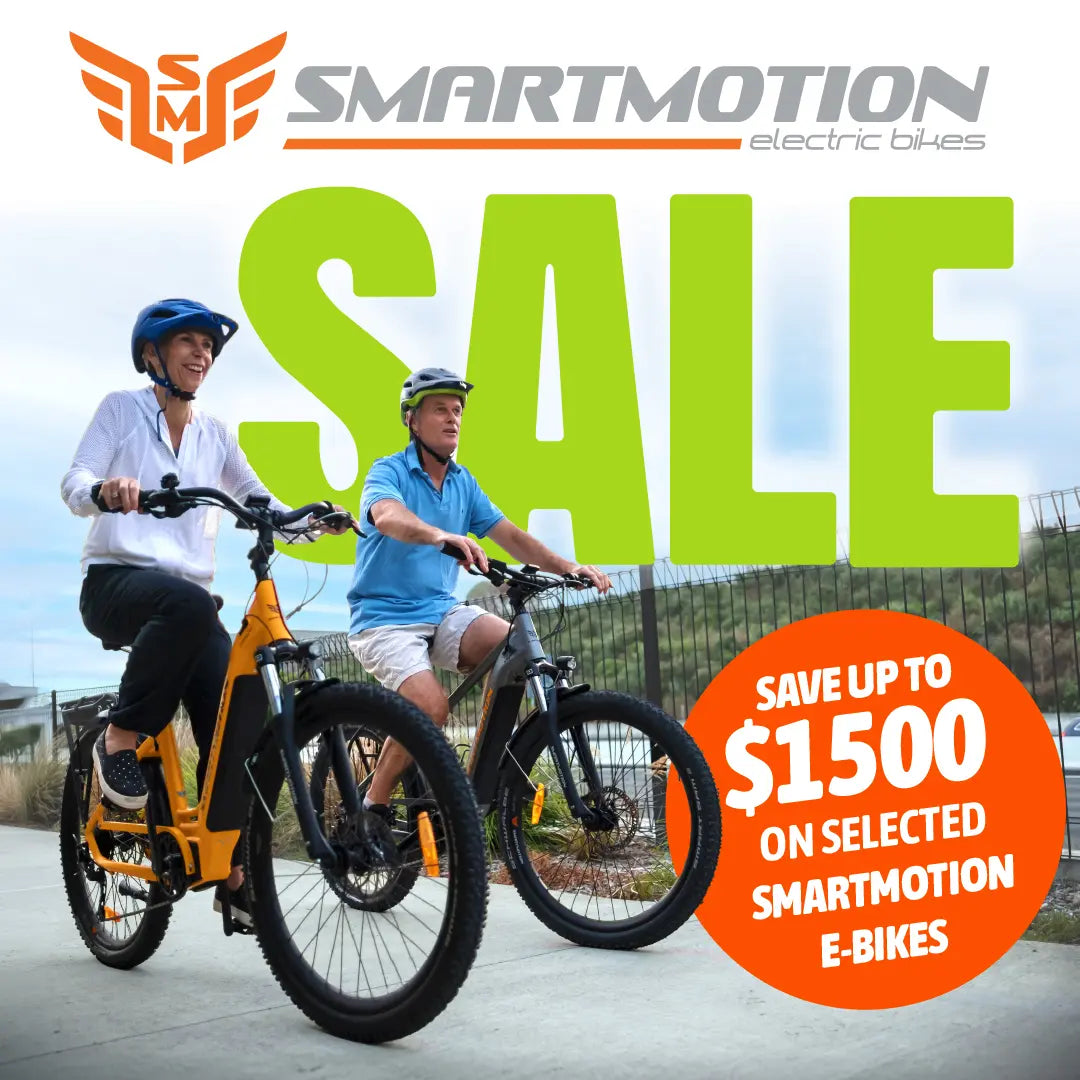
A step-thru frame has a low top tube, so you can get on and off without swinging a leg over the seat. That makes it a common choice for older riders, anyone with stiff hips or knees, and people who ride in everyday clothes. It's also easier to put a foot down quickly when you stop.
Step-thru frames aren't just for city bikes any more. You'll find them on commuter, leisure and trail, and even full-suspension mountain e-bikes. Browse our step-thru e-bikes and try a couple for size in store.
8. Forgetting about weight, storage and transport
E-bikes are heavier than regular bikes, often well over 20kg. That matters if you need to carry the bike up stairs, store it in an apartment or lift it onto a car.
- Check the bike weight and whether you can lift it where you need to.
- If you will charge indoors, look for a removable battery.
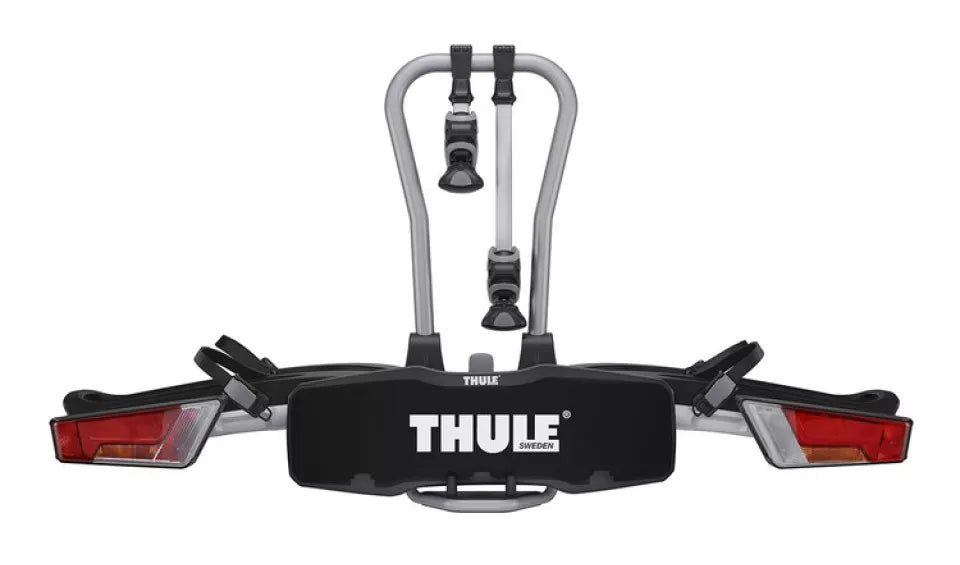
- If you plan to drive to trails, make sure your bike rack is rated for e-bike weight.
9. Buying a bike that isn't legal as a bike in NZ
In New Zealand an e-bike is legally a power-assisted cycle if its motor is rated at 300W or less and it's designed to be mainly powered by the rider. Bikes above that limit are treated as mopeds, which means registration and a licence, and they can't be ridden where mopeds aren't allowed, including many cycle trails.
Some bikes sold online are advertised with 750W or 1000W motors. They might look like good value, but they can't be ridden legally as a bicycle. Check the motor rating before you buy. The NZ Transport Agency has the full rules.
You also need to wear an approved helmet when you ride on the road.
10. Not budgeting for the extras
The bike is the biggest cost, but not the only one. Plan for:
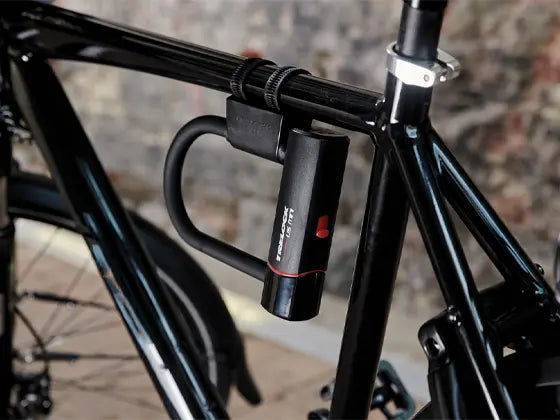
- A good lock, since e-bikes are a target for thieves.
- A helmet that fits well, plus lights if your bike doesn't have them built in.
- Regular servicing. The extra weight and power mean chains, brake pads and tyres usually wear faster than on a regular bike. Read why regular e-bike servicing matters.
If spreading the cost helps, see our e-bike finance options.
Get it right the first time
The easiest way to avoid these mistakes is to talk to someone who rides and services e-bikes every day. Electrify NZ has nine stores across the country: Auckland Central, North Shore, Hamilton, Tauranga, Hawke's Bay, Wellington, Nelson, Christchurch and Dunedin. Every store offers free test rides, expert advice and a workshop to look after your bike after you buy it.
Find your nearest store or book a test ride today.
Frequently asked questions
Have a question that isn't covered here? See our full e-bike FAQ page.
What should I look for when buying an e-bike in NZ?
Start with a test ride on your usual route. Then check the motor is 300W or less, the battery is big enough for your longest regular ride, the frame fits you, and the retailer has a local workshop that can service the bike.
Are e-bikes over 300W legal in New Zealand?
Not as bicycles. NZTA defines an e-bike as a power-assisted cycle with a motor of 300W or less. Anything more powerful is treated as a moped and needs registration and a licence.
How far will an e-bike go on one charge?
It depends on the battery size, terrain, assist level and rider weight. As a rough guide, allow about 15km for every 100Wh of battery, and less in hilly areas.
Is a step-thru e-bike a good choice for older riders?
For many older riders, yes. The low frame makes getting on and off much easier, especially with stiff hips or knees. Step-thru frames are now available on commuter, leisure and mountain e-bikes, so you don't have to give up capability.
Which is better, a hub motor or a mid-drive?
Neither is better for everyone. Hub motors suit most everyday riding and are usually cheaper. Mid-drives are more efficient on long, steep climbs and cost more. Test ride both and decide which you prefer.
Is it safe to buy an e-bike online?
It can be, but check who will service it, how warranty claims are handled and whether parts are available in New Zealand. Many problems with online e-bikes come from poor after-sales support rather than the bike itself.


